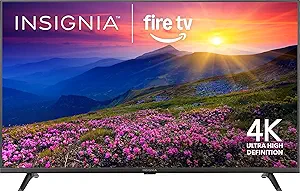
INSIGNIA 50″ Class F50 Series LED 4K UHD Smart Fire TV with Alexa Voice Remote (NS-50F502NA26)
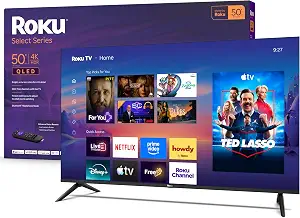
Roku 50-Inch Select Series Smart TV 2026-4K (2160p) QLED TV
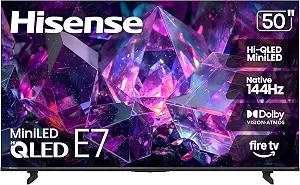
Hisense 50″ E7 Cinema Series Hi-QLED Mini-LED 4K UHD Smart Fire TV (50E7SF)
Best 50 In Tv Buying Guide — Black Friday Deals 2026
A 50-inch TV shortlist can look simple until the screen, smart platform and connections all matter at once. These options share a 50-inch screen and 4K resolution, but differ in features such as refresh rate, backlight technology, HDMI ports and operating system. Start with the details that affect your setup, then decide which platform you would rather use. During Black Friday, treat a promotion as a reason to compare—not as a substitute for checking the exact model and included configuration. The right choice is the one whose listed features match your priorities and whose offer details you can verify.
INSIGNIA 50″ Class F50 Series LED 4K UHD Smart Fire TV with Alexa Voice Remote (NS-50F502NA26)
Check Price on Amazon
The INSIGNIA 50″ Class F50 Series LED 4K UHD Smart Fire TV with Alexa Voice Remote (NS-50F502NA26) is the Best Budget pick among these options. That label is an editorial choice for this group, not a statement about a live price or discount. It gives shoppers a clear model to check when they want a 50-inch, 4K TV with FireOS and an Alexa Voice Remote named in the product title. The listed refresh rate is 60 hertz, and the supported HDR format is HDR10. Keep those details on the comparison sheet so that the decision is based on the offer’s exact model and the features you actually value.
The model lists three HDMI ports and Bluetooth and Wi-Fi wireless technology. Those details can help you assess whether the connection options fit your planned setup: note the devices you may use, then compare your needs with the port count. The specifications describe the wireless technologies, but they do not provide additional information about network performance or compatibility with particular devices. Likewise, HDR10 is the listed supported format; avoid treating that single entry as a guarantee about how every program or source will appear.
During Black Friday, compare the listing for NS-50F502NA26 specifically rather than relying on a broad product-family name or a sale headline. Confirm that the screen size and the stated features match the item you intend to buy, and review the offer details before making a decision. FireOS and the named remote can be useful deciding points if those are the features you want to prioritize. The three HDMI ports may also be enough for one setup and insufficient for another; make that judgment from your own equipment list. This model is worth considering when its features and the exact offer align with your priorities, not merely because a promotion uses budget language.
Key specs
| Resolution | Resolution 4K |
| Refresh rate | Refresh Rate 60 hertz |
| HDR format | HDR Format Supported HDR10 |
| Operating system | Operating System FireOS |
| HDMI ports | Total Number of HDMI Ports 3 |
| Screen size | Screen Size 50 inches |
| Wireless technology | Wireless Technology Bluetooth, Wi-Fi |
Roku 50-Inch Select Series Smart TV 2026-4K (2160p) QLED TV
Check Price on Amazon
The Roku 50-Inch Select Series Smart TV 2026-4K (2160p) QLED TV is the Best Overall choice in this group for shoppers who want a straightforward set of listed essentials to compare. It has a 50-inch screen, 4K resolution and a 60-hertz refresh rate. Its Roku OS is a central part of the decision: consider whether you prefer that platform before letting a Black Friday offer sway your shortlist. The product name identifies it as a QLED TV, but the provided specifications do not describe further display behavior, so use the listing’s exact wording rather than assuming what it will look like in your room.
Connection planning is one practical reason to give this model a close look. It lists four HDMI ports, along with Bluetooth and Wi-Fi wireless connectivity. Write down the devices you expect to connect and compare that list with the available ports; the count alone does not determine whether the complete setup suits your needs. The television also lists a VESA mount standard of 200 x 100 mm. If you plan to mount it, compare that exact standard with your mount’s requirements before checkout rather than relying on a general assumption about fit.
For a Black Friday comparison, verify that the offer is for this exact Roku model and screen size, then review the current listing for the specific terms and configuration being offered. The Best Overall label is an editorial selection among the TVs in this guide, not a claim of measured superiority or a market-wide award. This option makes sense to prioritize if Roku OS, four listed HDMI ports or the stated VESA standard aligns with your checklist. If another model’s specific display feature matters more, compare that product on the same basis instead of treating the label as a reason to overlook your own requirements.
Key specs
| Resolution | Resolution 4K |
| Refresh rate | Refresh Rate 60 hertz |
| Screen size | Screen Size 50 inches |
| HDMI ports | Total Number of HDMI Ports 4 |
| Operating system | Operating System Roku OS |
| Wireless connectivity | Wireless Technology Bluetooth, Wi-Fi |
| VESA mount | VESA Mount Standard 200 x 100 mm |
Hisense 50″ E7 Cinema Series Hi-QLED Mini-LED 4K UHD Smart Fire TV (50E7SF)
Check Price on Amazon
The Hisense 50″ E7 Cinema Series Hi-QLED Mini-LED 4K UHD Smart Fire TV (50E7SF) earns the Best for Mini-LED and high-refresh-rate features label in this guide because its listed specifications include Mini-LED backlighting and a 144-hertz refresh rate. Those are specific points to compare if you are selecting a TV with those features in mind. The screen is 50 inches, resolution is 4K, and the operating system is FireOS. The listed refresh rate is distinct from resolution and backlight technology, so consider each detail on its own rather than assuming one specification describes the entire viewing experience.
The model lists four HDMI ports, speaker maximum output power of 20 watts and AirPlay screen mirroring. These can each be relevant to a different part of your decision: compare the port count with the connections you expect to use, consider whether the listed audio output information answers your questions, and check whether AirPlay matters for the way you intend to mirror content. The specifications do not provide further detail about particular content, devices or performance, so verify any requirements you have against the exact product listing instead of extending these entries into broader promises.
A Black Friday offer can make this Hisense model worth checking if Mini-LED backlighting or its listed refresh rate is a priority for you. Confirm the offer names 50E7SF and review the specific configuration and terms shown before comparing it with other TVs. The Best for label is an editorial guide to the feature combination—not proof that it is best for every viewer or a measured performance conclusion. If the listed features are relevant to your setup, weigh them alongside FireOS, the connections and the offer details. If not, a simpler set of priorities may lead you to another model in this group.
Key specs
| Screen size | Screen Size 50 inches |
| Resolution | Resolution 4K |
| Refresh rate | Refresh Rate 144 hertz |
| Backlight | Display Backlight Technology Mini-LED |
| HDMI ports | Total Number of HDMI Ports 4 |
| Operating system | Operating System FireOS |
| Audio output | Speaker Maximum Output Power 20 watts |
| Screen mirroring | Screen Mirroring Technology AirPlay |
Decide which specifications deserve your attention
Begin by separating the display details into individual questions. All three choices list a 50-inch screen and 4K resolution, so those shared points may help narrow the category but will not distinguish these models by themselves. Then look at the details that differ. The Insignia and Roku list a 60-hertz refresh rate, while the Hisense lists 144 hertz and Mini-LED backlighting. If refresh rate or backlight technology is part of your decision, put that preference into words before looking at Black Friday offers. A specification is useful as a comparison point, but it does not by itself explain every aspect of a picture.
The Insignia lists HDR10 support, while the other product records here do not provide an HDR format. That is a limit on what can be compared from these details—not evidence that another model lacks a format. The Roku product name includes QLED, and the Hisense name includes Hi-QLED; avoid turning those names into unsupported claims about brightness, color or picture quality. Instead, keep a short list of features that matter to you and look for clear, matching language on each exact listing. When Black Friday headlines emphasize one display term, check whether it answers your question or simply draws attention to a specification you had not prioritized.
Pick the interface you expect to use
The operating system can be a meaningful preference even when the basic screen specifications appear similar. The Insignia and Hisense list FireOS, while the Roku model lists Roku OS. Decide which interface you would rather navigate, and use that as a filter before comparing offers. The provided facts do not establish that one system is easier, faster or more capable than another, so the choice should follow your own preference rather than an assumed advantage. The Insignia product title also names an Alexa Voice Remote; include that detail in your comparison if the remote is relevant to your decision.
Black Friday promotions can make it tempting to focus on the deal message first, but begin with the model and platform you meant to shop for. Check that the listing identifies the intended product, then read the current description for the operating system and named features. Do not assume that every TV in a series has identical specifications, or that a similar-looking title represents the same model. If you are comparing FireOS with Roku OS, also consider the rest of your checklist—ports, mounting needs and display details—so a platform preference does not distract from a requirement that matters more in your setup.
Translate your equipment list into connection needs
Before choosing among these TVs, make a simple inventory of the devices you expect to connect. The Insignia lists three HDMI ports; the Roku and Hisense each list four. Compare those stated counts with your own planned setup and decide whether they fit. Do not assume that a port count answers questions about a particular device or connection method; the provided records give the total HDMI count, not a complete connection map. The Roku and Insignia list Bluetooth and Wi-Fi, while the Hisense information here lists AirPlay screen mirroring. Treat each entry as a specific feature, and check the listing for any further details you need.
This checklist is especially useful during Black Friday, when a quick comparison may otherwise center on the headline rather than the model’s practical details. Make sure the exact TV in the offer is the one you evaluated, then verify the listed connections and wireless features on that product page. If your setup depends on a particular connection, confirm that the offer’s exact model supports what you need before purchase. Avoid inferring an unlisted connection from a product family name or from another model’s specifications. A careful match between your equipment and the actual listing is more useful than choosing by a port count alone.
Check mounting requirements before narrowing the shortlist
If you expect to mount the TV, include that requirement early rather than treating it as a last-minute detail. The Roku listing provides a VESA mount standard of 200 x 100 mm. Compare that exact format with the requirements for the mounting hardware you plan to use, and consult the specific product information for anything the supplied facts do not answer. The records for the Insignia and Hisense do not provide a VESA standard here, which is not a reason to assume either model cannot be mounted. It means you should seek confirmation from the exact listing if mounting compatibility is essential.
Also think about where the screen will go and which devices need to be connected there. A mounting plan and a connection plan work together: the TV’s listed HDMI count may help you assess your setup, while the physical arrangement may prompt other questions for the seller listing or product details. During Black Friday, do not let a promotion rush this check. Verify the model number, screen size and any mounting information relevant to your installation. If you cannot confirm a requirement from the information available, treat it as an open question to resolve rather than filling the gap with assumptions.
Use the offer details as a final comparison checkpoint
Once you have chosen the features that matter, compare the actual offers for the exact models on your shortlist. A Black Friday label alone does not establish that a particular product is discounted, available or better suited to your needs. No current price or promotion information is provided here, so make the decision from the terms and configuration shown on the listing when you shop. Confirm the product name and model identifier, then check that the screen size and relevant specifications match the version you intended to compare. This protects against making a decision based on a similar title or a broad series name.
A useful final comparison can be brief: write down your preferred operating system, required connections, any display feature you want and whether mounting details need confirmation. Then compare each exact offer against that list. The Roku’s four HDMI ports and VESA standard, the Insignia’s FireOS and HDR10 support, or the Hisense’s Mini-LED backlight and listed refresh rate may each matter for different reasons. None of those details guarantees that the model is the right choice for every household. For Black Friday, let verified offer information complete your shortlist rather than replace the feature-based decision that produced it.
Keep the decision tied to your own priorities
A helpful shortlist gives each candidate a reason to remain under consideration. You might favor Roku OS, the Roku model’s listed VESA standard or its four HDMI ports. You might prefer the Insignia because its listed details include FireOS and HDR10 support. Or you may be interested in the Hisense because its specifications identify Mini-LED backlighting and a 144-hertz refresh rate. These are different decision points, not a single ranking of picture quality or overall performance. Choose the points that solve your own requirements, and do not feel obliged to pay attention to every feature equally.
Use Black Friday as a time to revisit that shortlist carefully. Compare the exact model names and the current offer details, and check any specification that remains important but unclear. If the offer changes your options, return to your original priorities and decide whether the model still fits. Avoid treating editorial labels such as Best Overall or Best Budget as substitutes for that process; they describe choices among the products in this guide, not a promise that one TV will suit everyone. A considered match between the listed features, your setup and the actual offer is a more dependable basis for choosing.
Make your Black Friday choice
For a 50-inch TV, start with the details you can verify: screen size, resolution, operating system, connections and any display feature you specifically want. Then make sure the exact model and offer match your checklist. Black Friday can be a useful moment to compare these options, but a promotion does not replace checking the product information or deciding what matters in your room. The Roku, Insignia and Hisense each bring a different set of listed features to the choice. Let your priorities—not a headline or an editorial label—make the final call.