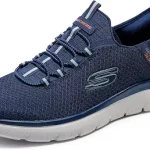
Best Xero Shoe Buying Guide — Black Friday Deals 2026
Choosing a Xero shoe starts with the kind of shoe you want, not with a Black Friday banner. This guide compares three men’s options by their listed categories: a barefoot sneaker, barefoot running shoes and a barefoot trail running shoe. Those names help narrow the field, but they do not answer personal questions about fit, comfort or suitability for a particular route. The Best Overall, Best Budget and Best for Trail Running labels are editorial signposts among these listed products, not test results or guarantees. During Black Friday, use the labels to find a starting point, then verify the exact model and selected variant before comparing offers.
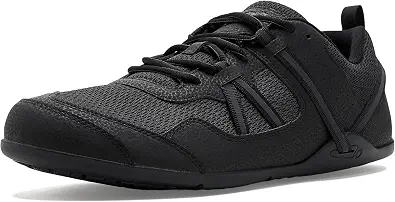
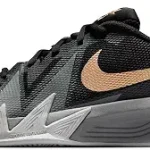
The Prio is the sneaker option in this group, making it a useful starting point if you are shopping for a barefoot sneaker rather than a shoe specifically categorized for running or trail running. It is listed for men, and its item model number is PRM. That straightforward category distinction is the main reason to consider it: shoppers can keep a general sneaker in view without treating every Xero shoe as interchangeable. The product is assigned Best Budget here as an editorial comparison label, not as a statement about its current price or a claim that it is the least expensive offer.
For everyday shopping, think about how you expect to use the shoe and whether a sneaker category matches that plan. If your search is specifically for a running shoe or a trail running shoe, compare those named categories as well rather than assuming the sneaker covers the same purpose. The available details do not establish a fit profile, cushioning level, upper material, outsole design or performance outcome, so use the listing and your own requirements to resolve those questions. The category name can narrow the shortlist; it cannot settle comfort or suitability on its own.
Black Friday can make it tempting to let a prominent deal message decide quickly. Instead, confirm that the selected listing is the Prio barefoot sneaker and that the size and other options shown are the ones you intend to buy. The listed package dimensions are 13.66 x 8.98 x 4.61 inches, and the package weight is 1.5 pounds. These are package details, not a description of how the shoe fits or feels when worn, so they should not be used as a substitute for checking shoe-specific information. Manufacturer is listed as Xero Shoes. If the offer presents details beyond those facts, assess them on the exact item page before making a decision.
Xero Shoes Men’s HFS II Barefoot Running Shoes (ASIN B0CGBCHZ5R)
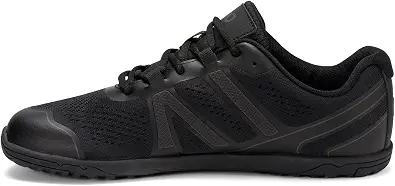
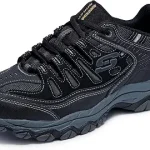
The HFS II is the clearest match in this selection for someone looking specifically for a barefoot running shoe: its listed shoe type is Barefoot Running Shoes, and its model is HFS II. That focus makes it a natural Best Overall signpost for this guide’s shortlist, where the label reflects an editorial choice among these three products. It is not a test result or proof that this model will suit every runner. The product is listed for men and carries the Xero Shoes brand, giving shoppers a concise set of facts to verify as they compare listings.
Use the running category to frame your questions rather than to assume answers. Consider the kind of running you have in mind, the fit you need, and any preferences that matter to you, then look for relevant information on the exact product page. The supplied details do not specify fit, materials, outsole construction, weight or other running characteristics. Do not infer those details from the model name or from the fact that the shoe is categorized for running. If you are comparing it with a sneaker or trail-running option, decide first whether those other categories suit your intended use.
For Black Friday, match the offer to the HFS II model before comparing its terms with another listing. Check the selected size and any displayed variant, and read the item details rather than relying on a campaign headline. The word “overall” in its editorial label is simply a navigation aid: it does not mean the shoe is best for every route, foot or preference. If you need a specific feature to make your choice, confirm that feature in the listing instead of treating the general category as evidence. This keeps the comparison useful while avoiding assumptions about a discount, availability or a performance advantage.
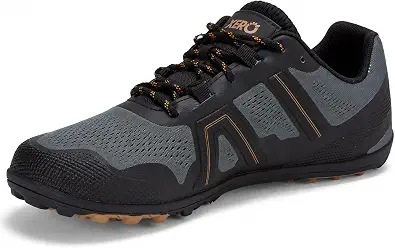
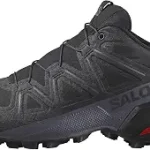
The Mesa Trail 2 is identified as a barefoot trail running shoe, so it belongs on the shortlist when your search is centered on a trail-running category. Its listed outsole is rubber. Those details make it distinct from the general barefoot sneaker and the barefoot running-shoe option in this guide, while still leaving the final decision to your needs and the item listing. Best for Trail Running is the editorial label assigned here because the product is explicitly categorized for trail running; it does not claim measured superiority or guarantee that the shoe is right for a particular trail.
When considering it, picture the routes and outings you actually expect to take, then decide whether a trail-running shoe is the category you want. The rubber outsole is a stated construction detail, but the supplied facts do not describe its pattern, grip, durability or performance on any surface. Avoid converting that single fact into a claim about traction or protection. The listing also does not provide details here about fit, materials beyond the outsole, or other characteristics you might care about. Treat those as questions to verify, not as features to assume.
A Black Friday listing can make model names and category labels easy to skim past, so check that the offer is for Mesa Trail 2 and that the chosen size or variant is correct. Compare the exact item details with your own trail-running priorities; do not assume that a deal headline tells you what is included or whether the shoe fits your needs. If a listing supplies information about a feature important to you, read that detail on the selected item page. The rubber outsole and trail-running category are grounded starting points, while route suitability, comfort and fit remain personal decisions that require more specific information.
Key specs
Brand
Xero Shoes
Model
Mesa Trail 2
Department
mens
Shoe type
Barefoot Trail Running Shoe
Outsole
rubber outsole
Use the shoe category to set your first filter
A category can quickly remove options that do not match the kind of shoe you are seeking. The Prio is named as a barefoot sneaker, the HFS II as barefoot running shoes, and the Mesa Trail 2 as a barefoot trail running shoe. Start by asking whether your shopping need is broad everyday sneaker use, running, or trail running; then look at the product whose listed category is closest. This is a sorting method, not a promise that a shoe will work for a particular routine. If your plans include more than one kind of outing, write down which use matters most before you compare listings.
Black Friday search results may place different categories beside one another, making a lower headline price or a familiar name seem like the obvious answer. Keep the category question separate from the offer question. First decide which type you want to investigate, then compare the exact item and its available details. A label such as Best Overall or Best Budget can help you navigate this small selection, but neither replaces your own use case. The product names provide a sensible first distinction; they do not supply a complete account of fit, feel or suitability.
Make fit a requirement to verify, not a guess
Fit is personal, and the facts available here do not describe how any of these shoes fit. Before choosing, consider what information you normally need to judge sizing and comfort, then seek it in the exact listing or other information available to you. Pay attention to the selected size and variant rather than assuming that a product page will retain the option you intended. If you already know preferences that affect your footwear choices, use those as questions for the listing. Do not treat a product category or editorial label as evidence of a particular fit.
This check matters just as much when a Black Friday offer looks attractive. A deal message cannot establish that the selected shoe will be comfortable, and the package details for the Prio do not answer that question either. Keep the decision practical: identify your preferred size, verify the item page shows that selection, and look for specific fit information before checking out. If the available details leave an important question unresolved, do not fill the gap by guessing from the model name. A careful pause can be more useful than choosing quickly based on a general description.
Separate useful shoe details from package information
Not every specification describes the shoe itself. The Prio listing provides package dimensions of 13.66 x 8.98 x 4.61 inches and a package weight of 1.5 pounds, along with item model number PRM and manufacturer Xero Shoes. Those are legitimate listing details, but package dimensions and weight should not be mistaken for the shoe’s dimensions or weight. Use them only when they matter to your shopping question, and do not use them to infer how the sneaker will feel on foot.
The other two products have a different set of supplied details: the HFS II is identified by its model and barefoot running-shoe type, while the Mesa Trail 2 is identified as a barefoot trail running shoe with a rubber outsole. None of those facts alone establishes comfort, grip, durability or performance. When a Black Friday page shows more information, evaluate the exact claim in context and confirm that it applies to the selected product and variant. Keep stated specifications distinct from personal preferences and from details that remain unconfirmed.
Compare Black Friday listings one item at a time
Treat each Black Friday offer as a listing to verify, not as a general promise attached to a brand or product category. Confirm the product name and model, then inspect the selected size and any variant options shown. Compare the details that matter to you on the item page rather than assuming every result with a similar name refers to the same configuration. This guide does not establish current prices, discounts, stock or seller terms, so use the live listing for any offer-specific information and make your own comparison.
A useful comparison note can be short: record which product category you want, which model the listing names, which size or variant you selected, and what relevant detail you still need to check. The Prio’s PRM model number, the HFS II model name and the Mesa Trail 2 model name can help keep options distinct. Do not let an offer headline answer questions it does not address. If two listings differ in details important to you, examine those differences directly instead of assuming one is preferable because it appears in a Black Friday promotion.
Choose a shortlist that reflects your actual priorities
Once category, fit questions and listing details are clear, narrow the choice using your own priorities. Someone seeking a sneaker can begin with the Prio; someone searching for barefoot running shoes can begin with the HFS II; and someone looking for a barefoot trail running shoe can examine the Mesa Trail 2. These are category-based routes through the shortlist, not judgments that one product suits all shoppers. If your needs do not align neatly with a listed category, look for more specific information rather than forcing a match.
The editorial labels can make the comparison easier to scan: Best Budget for the sneaker, Best Overall for the running-shoe option, and Best for Trail Running for the trail category. They describe this guide’s organization, not verified price position, universal quality or measured results. During Black Friday, keep that distinction in view. Select the item whose stated category and confirmed details best address your priorities, and leave unresolved questions unresolved until you can verify them. That approach gives a sale comparison structure without turning a label into a substitute for judgment.
Make your Black Friday choice
For a practical Xero shoe shortlist, begin with the stated category: sneaker, barefoot running shoe or barefoot trail running shoe. Then verify model, size and variant, and look for the fit or product information you personally need. The editorial labels can guide your first comparison, but they do not establish a universal winner. Black Friday adds a reason to inspect the exact offer carefully, not a reason to assume a promotion or skip the details. Choose only after the listing and your priorities line up.