Best Laptop Students Buying Guide — Black Friday Deals 2026
A student laptop has to fit the work that actually happens: reading course materials, writing, keeping track of files, or working with a larger display. Start by checking required software and deciding whether Chrome OS suits the student’s coursework; then compare screen, memory, and storage against everyday habits. The three options here range from two Chromebooks to a touchscreen Lenovo IdeaPad Slim 3i. For Black Friday, treat the advertised offer as a prompt to inspect the exact model and configuration, not as proof that a particular laptop is the right fit. The Best Overall, Best Budget, and larger-touchscreen recommendations are editorial choices among these featured products, based on their stated features.
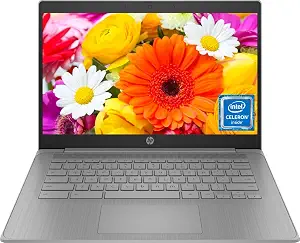
HP 14″ HD Chromebook Laptop for Students (ASIN B0C8171GTK)
The HP 14-inch HD Chromebook Laptop for Students is the Best Budget pick among these three products. That label reflects its place in this particular shortlist, not a claim about its price or a market-wide award. Its listed combination is straightforward to assess: a 14-inch display with 1366 x 768 pixels, Chrome OS, 4GB RAM, and 64GB eMMC storage. A student can use those details to decide whether the screen and capacity align with their normal coursework and file habits. For someone who mainly needs a Chromebook for study tasks that fit the stated configuration, it may be a sensible option to compare during Black Friday.
The processor is an Intel Celeron N4120, listed with 4 cores and threads. Those are specifications, not a promise about how quickly particular apps will run, so students should avoid choosing on processor wording alone. Check any course-specific software needs first, then consider the whole listed setup. The 14-inch display provides a clear size reference, while its resolution is stated as 1366 x 768 pixels. Think about how much reading and writing the student does on-screen and whether that display detail feels suitable for their priorities. The listing also specifies 802.11ac wireless; whether that fits a student’s connectivity needs depends on their own study setting and requirements.
A Chromebook can be a useful candidate when Chrome OS fits the student’s plans, but the operating system should be checked against course instructions before the Black Friday deal is considered. The HP’s 4GB RAM and 64GB eMMC storage are useful comparison points beside the other listed options; they do not, by themselves, determine whether a student’s individual workload will fit comfortably. Before checkout, verify the product name and exact configuration on the offer page rather than relying on a general Black Friday headline. If the student wants a larger screen workspace or more listed memory and storage, compare the Lenovo IdeaPad Slim 3i as well. If the HP’s stated screen, operating system, and capacity fit the plan, it earns its budget-oriented place in this guide.
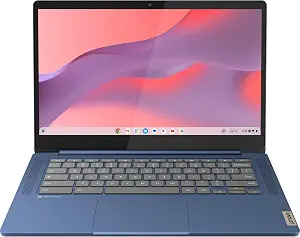
The Lenovo Flagship Chromebook is the Best Overall choice among these options for students who want a Chromebook with a touchscreen and a stated battery-life figure. Its 14-inch Full HD touchscreen gives the student a defined screen size and resolution category to compare with their study setup. That may matter when choosing between a laptop intended for a desk, a shared study space, or moving between classes: consider whether the screen’s size and touch input suit the way the student reads and navigates coursework. The recommendation is a practical editorial label, not a claim that this model is best for every student.
The listed configuration pairs a MediaTek Kompanio 520 octa-core processor with 4GB RAM and 64GB eMMC storage, and it runs Google Chrome OS. Before buying, check the course’s software requirements against that operating system rather than assuming a Chromebook will suit every program. The memory and storage figures also give the student concrete points to consider: what work they expect to keep on the device, and what they typically have open while studying. The listing specifies Wi-Fi 6, 11ax 2×2 and Bluetooth 5.1 combo. These details can help shoppers compare the stated wireless configuration with their own needs, but they don’t establish how a connection will perform in a particular location.
The product lists battery life of 13.5 hours. Treat that as a stated specification rather than a guarantee of time away from a charger in every student’s routine. Compare it with the length and setting of a typical study day, and confirm the exact configuration on the Black Friday offer page. During Black Friday, check that the offer names this Lenovo Chromebook and that the screen, memory, storage, operating system, wireless details, and battery information match the version being considered. This is a useful starting point for shoppers seeking an all-round Chromebook profile, provided Chrome OS and the listed capacity make sense for the student.
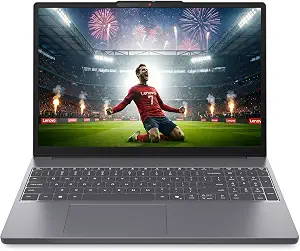
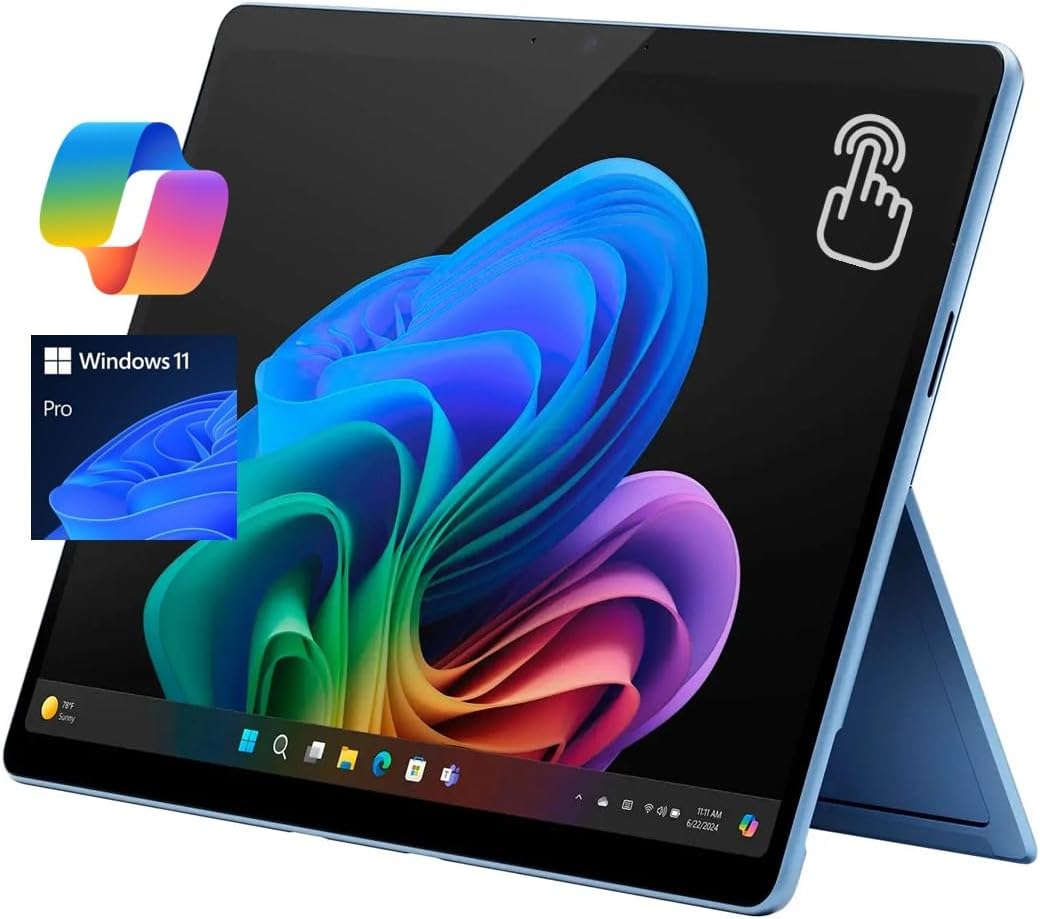
The Lenovo IdeaPad Slim 3i is the Best for a larger touchscreen workspace choice in this guide. Its listed 15.3-inch WUXGA touchscreen gives students a larger display option than the 14-inch Chromebooks featured here, while still leaving the decision to personal preference and study setup. A student who often works with course material on-screen may want to compare the display size and touch input with the space available at a desk or in a bag. The editorial label identifies the feature that sets this option apart in the shortlist; it is not a measured claim about comfort or productivity.
This model lists an Intel Core Ultra 5 Processor 322, 16GB RAM, and 1TB SSD storage. Those details offer a different configuration to weigh against the Chromebooks’ stated memory and storage. Consider what the student expects to keep locally and how they organize active work, then decide whether the listed capacity matches those habits. The IdeaPad Slim 3i also specifies a 120Hz refresh rate. Students who care about that display specification can include it in their comparison, but should not treat the number as a guarantee of a particular experience. Its battery capacity is listed as 60 watt-hours; that figure is not the same as a stated run time, so don’t use it to assume how long the laptop will last between charges.
Unlike the other two products in this guide, the supplied details for this Lenovo do not specify an operating system. Check the exact offer and product configuration for that information, and compare it with any software requirements from the school or course. That check matters before acting on a Black Friday price or promotion headline, even when the screen and storage look appealing. Confirm that the offer is for the IdeaPad Slim 3i with the touchscreen, memory, storage, processor, and refresh rate you intend to buy. Its larger touchscreen and stated 16GB RAM and 1TB SSD make it the option to consider when those particular features are priorities; the final choice should still follow the student’s requirements and the exact configuration on offer.
Key specs
Processor
Intel Core™ Ultra 5 Processor 322
Display
15.3″ WUXGA Touchscreen Display
Memory
16GB RAM
Storage
1TB SSD Storage
Refresh rate
120Hz Refresh Rate
Battery capacity
60 watt-hours
Begin with the student’s software and study routine
Before comparing Black Friday offers, write down what the student needs to do for school. Check course instructions for required applications, file formats, and any operating-system requirements. The HP and Lenovo Flagship are listed with Chrome OS, while the supplied specifications for the IdeaPad Slim 3i do not state an operating system. That makes checking the specific IdeaPad offer especially important; don’t fill in a missing detail by assumption. If the school provides guidance, use that as the basis for narrowing the list.
Next, describe a typical study session rather than relying on a broad label such as “student use.” Is the laptop mainly for reading and writing, or does the student expect to keep many files on the device? Will it usually sit at a desk, or is a smaller display more appealing for the way the student studies? These questions help interpret the listed differences without turning a specification into a promise about performance. The two Chromebooks have 4GB RAM and 64GB eMMC storage in their supplied details; the IdeaPad lists 16GB RAM and 1TB SSD storage. Compare those figures with the course’s needs and the student’s habits, then make Black Friday price comparisons only among configurations that meet the essential requirements.
Decide what the screen should do for the student
Screen choice is more than selecting the largest available display. The HP lists a 14-inch screen with 1366 x 768 pixels. The Lenovo Flagship lists a 14-inch Full HD touchscreen, and the IdeaPad Slim 3i lists a 15.3-inch WUXGA touchscreen. Those descriptions give shoppers concrete distinctions to weigh: screen size, stated resolution category, and whether touch input is included. Consider how the student reads course materials, writes assignments, and uses the laptop in the places where they usually study.
A larger display may be attractive to a student who wants more room to view work, while another student may prefer one of the 14-inch options. Neither preference can be settled by a Black Friday badge. Ask the student which screen would suit their routine, then compare the precise description on the offer page with the product being considered. The IdeaPad’s larger touchscreen is the reason for its specific recommendation here, but that doesn’t establish that every student will prefer it. The Lenovo Flagship offers a touchscreen in a 14-inch Full HD format, while the HP specifies its display resolution directly. Use those facts to shortlist, and let personal needs decide between them.
Make memory and storage part of the checklist
Memory and storage are easier to assess when connected to actual student habits. Ask how the student handles class files, whether they expect to keep work on the laptop, and what they usually have open while studying. The listed Chromebook configurations each have 4GB RAM and 64GB eMMC storage. The IdeaPad Slim 3i lists 16GB RAM and 1TB SSD storage. These are useful differences to compare, but they don’t establish which configuration will suit a particular course without knowing its requirements.
If local file storage is important, check the student’s expected file needs against the stated capacity and any course guidance. Avoid treating a large storage figure as an automatic reason to buy, or assuming a smaller one is inadequate. The same care applies to memory: use the listed figures as planning information, not as a guarantee about multitasking in every situation. On Black Friday, compare the configuration shown in the offer with the product details you used to make your shortlist. A headline that names a product family may not, on its own, tell you which configuration is included. Confirm the exact model and listed memory and storage before deciding whether the offer fits the student’s plan.
Read processor and connection details in context
Processor names can help distinguish the listed configurations, but they should not replace the student’s software checklist. The HP specifies an Intel Celeron N4120 with 4 cores and threads. The Lenovo Flagship lists a MediaTek Kompanio 520 octa-core processor, with its core details given in the product specifications. The IdeaPad Slim 3i lists an Intel Core Ultra 5 Processor 322. These are the supplied processor descriptions; they are not evidence of how a particular assignment or application will perform. Check course requirements and make a decision based on the whole configuration.
Wireless details also vary in the listings: the HP specifies 802.11ac, and the Lenovo Flagship specifies Wi-Fi 6, 11ax 2×2 plus Bluetooth 5.1 combo. Don’t assume that a specification guarantees a certain connection in every study location. Consider the student’s own connectivity needs, and check the precise product listing if a particular wireless detail matters. The IdeaPad’s supplied facts do not list wireless specifications, so verify the actual offer rather than guessing. During Black Friday, confirm that the advertised configuration matches the product details you’re comparing; a processor or wireless label alone should not settle the purchase.
Check the exact Black Friday configuration before buying
Once a laptop meets the student’s requirements, inspect the offer itself. Confirm the product name and configuration, including screen description, operating system where stated, memory, and storage. If a detail is important but not in the supplied product information, look for it on the exact offer page rather than inferring it. This is particularly relevant when comparing a Chromebook with the IdeaPad Slim 3i, because the operating-system information supplied for the IdeaPad is unspecified. Treat that as something to verify, not as a reason to assume either option is or is not suitable.
Compare the actual offer and variant rather than a sale headline. No price, discount, or availability is established by this guide, and Black Friday promotions can’t substitute for checking whether the configuration fits. For battery planning, note that the Lenovo Flagship lists 13.5 hours of battery life, whereas the IdeaPad lists a battery capacity of 60 watt-hours; these are different kinds of information and should not be compared as equivalent runtime claims. The HP’s supplied facts don’t state a battery figure. Before committing, make sure the exact offer is the product the student chose and that its stated details match the requirements you wrote down.
Make your Black Friday choice
A sound student-laptop choice starts with course requirements, then narrows by screen preference, operating system, memory, and storage. The Lenovo Flagship Chromebook offers a 14-inch Full HD touchscreen and stated battery life; the HP is the Best Budget option in this shortlist; and the IdeaPad Slim 3i is the pick for a larger touchscreen workspace. Those labels are decision aids, not guarantees of the right fit. For Black Friday, verify the exact model and configuration and compare only offers that suit the student’s real routine. The best choice is the one whose stated features meet the student’s needs.