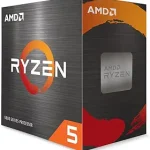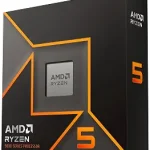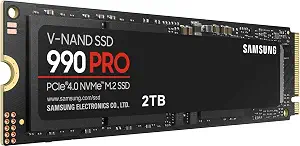
Samsung SSD 990 PRO 2TB
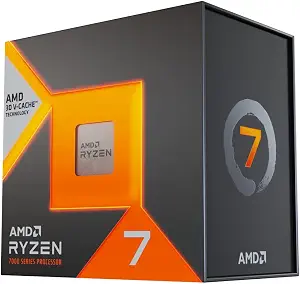
AMD Ryzen 7 7800X3D 8-Core, 16-Thread Desktop Processor
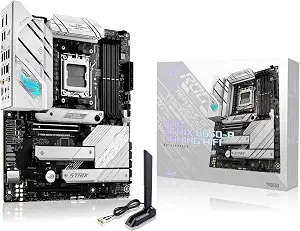
ASUS ROG Strix B650-A Gaming WiFi
Best Pc Components Buying Guide — Black Friday Deals 2026
A useful PC-components shortlist starts with the job each part must do, then checks whether the rest of the build can support it. These picks cover storage, an AM5 processor, and an AM5 motherboard, so they answer different questions rather than competing for the same role. Ahead of Black Friday, decide which requirement matters most: fitting a particular device, choosing a processor platform, or getting the connections and memory type your build calls for. Treat any event listing as an occasion to verify the exact model and variant, not as proof of a discount. The right choice is the one that fits your planned setup and priorities.
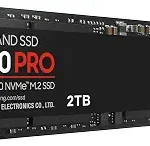
Samsung SSD 990 PRO 2TB
Best Overall is an editorial fit for shoppers who want a clearly specified storage upgrade that can serve more than one kind of device. The Samsung SSD 990 PRO 2TB lists desktop and laptop compatibility, and also names Sony PlayStation 5 as a compatible console. That makes it worth considering when your shopping list spans a computer and a console, while still checking the requirements of the exact system you plan to use. It is not a reason to assume every device or configuration is supported.
Capacity is a practical starting point: the drive provides 2 TB. Think about what you intend to keep on it and whether that space suits your own library, work files, or other planned use; the supplied details do not predict how much any individual user will need. Its M.2 2280 form factor and PCIE x 4 interface are equally important fit checks. Confirm that the intended device accepts those stated characteristics before buying, rather than relying on a general assumption that an SSD will fit.
The listed read and write speeds are up to 7450/6900 MB/s. The phrase “up to” matters: treat those figures as the product’s stated maximums, not a promise that every system or task will reach them. If speed is part of your Black Friday shortlist, first decide whether it is a priority for your workload, then check the exact listing and your device’s requirements. The facts here do not establish how this model compares with another drive in a particular setup.
This choice earns Best Overall because its combination of stated capacity, form factor, interface, and named device compatibility gives buyers several concrete details to match against a planned build. That label is a recommendation among the products in this guide, not a claim of measured superiority. On Black Friday, verify that the selected listing is for this exact model and capacity, and weigh the fit details against your actual need. If your device’s requirements remain unclear, resolve that question before treating an offer as a reason to purchase.
Key specs
| Storage capacity | 2 TB |
| Interface | PCIE x 4 |
| Form factor | M.2 2280 |
| Read and write speeds | read and write speeds up to 7450/6900 MB/s |
| Compatible devices | Desktop, Laptop |
| Compatible console | Sony PlayStation 5 |
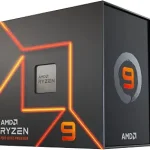
AMD Ryzen 7 7800X3D 8-Core, 16-Thread Desktop Processor
Check Price on Amazon
The AMD Ryzen 7 7800X3D is the processor choice here for someone planning around an AM5 system. Its listed eight cores and sixteen concurrent threads give you specific information to compare with the needs of your intended software, but those counts alone do not establish performance in a particular workload. The listed processor speed is 4.2 GHz. Consider those details as part of a broader platform decision, rather than selecting a CPU from a single number or assuming that it suits every desktop build.
A key practical step is to pair the processor with a motherboard that supports its socket and intended use. This chip lists Socket AM5; the ASUS ROG Strix B650-A Gaming WiFi in this guide also lists Socket AM5 and states compatibility with AMD Ryzen Desktop 7000 Series processors. That gives shoppers a useful starting point for checking these particular options together. Before purchasing, verify the exact processor and board models in the listing and consult the compatibility information for your planned configuration. Shared socket wording should prompt careful checking, not replace it.
The processor’s listed cache is 8 MB L2 plus 96 MB L3, and its process technology is 5 nm. It also lists graphics frequency at 2200 MHZ and a maximum operating temperature of 89°C. These are product details to assess against your build plan; the facts provided do not describe a complete graphics setup, cooling requirements, or results under load. Avoid filling those gaps with assumptions. If any of them affect your component choices, check the requirements of the whole system before finalizing a purchase.
Best for AM5 processor planning is the editorial label because the socket gives buyers a direct platform checkpoint, and the listed core and thread counts add useful comparison details. It does not mean this processor is best for every AM5 build or that it has been tested against alternatives. During Black Friday shopping, verify the exact processor model and make sure your motherboard plan is compatible before comparing an offer. If you are still choosing a board, consider its memory and connection needs at the same time, rather than treating the processor as an isolated purchase.
Key specs
| Socket | Processor Socket Socket AM5 |
| Processor speed | Processor Speed 4.2 GHz |
| Core count | Processor Core Count 8 |
| Concurrent threads | Processor Number of Concurrent Threads 16 |
| Graphics frequency | Graphics Frequency : 2200 MHZ. |
| Maximum operating temperature | Maximum Operating Temperature (Tjmax) : 89°C. |
| Cache | 8 MB L2 plus 96 MB L3 cache memory |
| Process technology | 5 nm process technology |
ASUS ROG Strix B650-A Gaming WiFi
The ASUS ROG Strix B650-A Gaming WiFi is the motherboard option for shoppers who want to make platform connections part of the decision. It lists Socket AM5 and compatibility with AMD Ryzen Desktop 9000, 8000, and 7000 Series processors. That gives you a defined starting point when checking a processor choice, including the Ryzen 7 7800X3D featured here. Confirm compatibility for the exact pairing and configuration before buying; the listed series information is a useful checkpoint, not a substitute for checking your build.
Memory type is another early decision: this board lists DDR5. If your build plan has already settled on a memory type, compare that requirement with the board’s stated support before putting it on a Black Friday shortlist. The board also lists one PCIe 5.0 M.2 slot and two PCIe 4.0 M.2 slots. Those connection details may matter to someone planning storage around available slots, but they do not by themselves establish that a particular drive is compatible. Check the drive’s interface and form factor against the board and the complete system requirements.
For networking, the listed features are 2.5G LAN and WiFi 6E. The board also lists USB 3.2 Gen 2×2 Type-C®. Consider which of these named connections matter for your setup, then confirm that the product listing matches the model you intend to buy. The facts provided do not specify every port, accessory, or configuration detail, so do not treat this short list as a complete inventory. A targeted checklist can help you decide whether the board’s documented features answer your needs.
Best Budget is the supplied editorial label for this motherboard among the products in this guide. It is not a claim that the board has the lowest market price, offers a particular discount, or is superior in testing. Use the label as a prompt to check whether its AM5 support, DDR5 memory type, M.2 slots, and networking features align with your priorities. Black Friday can make listings harder to compare at a glance, so verify the exact model and selected variant, then judge the offer against the components you actually plan to use.
Key specs
| Processor socket | Socket AM5 |
| Processor compatibility | Ready for AMD Ryzen Desktop 9000, 8000, and 7000 Series Processors |
| Memory | DDR5 |
| M.2 slots | One PCIe 5.0 M.2 slot and two PCIe 4.0 M.2 slots |
| Networking | 2.5G LAN, WiFi 6E |
| USB-C | USB 3.2 Gen 2×2 Type-C® |
Set a build priority before scanning event listings
Write down the part that will solve a real need first. A storage purchase may be about capacity, a processor purchase about the platform and workload, and a motherboard purchase about compatibility and connections. Those priorities do not have to be equal. If your current system already has the storage you need, an attractive Black Friday listing for another drive may be less relevant than confirming your processor and board plan. Conversely, someone planning a storage change can focus on the device’s required interface and form factor before looking at other components.
Keep a short checklist with the exact model name, the relevant stated features, and any unanswered compatibility questions. For the products here, that could mean recording the SSD’s capacity, form factor, and interface; the processor’s socket; or the board’s memory type and listed connections. Separate facts from assumptions: a specification on a product page is not the same as confirmation that it suits every planned use. This makes Black Friday comparisons more deliberate and keeps event messaging from deciding what your build needs.
It also helps to decide what would make you pass. If a listing’s selected model is unclear, or an important system requirement has not been checked, leave it unresolved rather than treating urgency as evidence. No price or promotion is established in this guide, so compare the exact offer details you see with your budget and needs at the time. A clear pass condition can prevent an appealing presentation from distracting you from a missing fit check.
Think of storage as a device-specific choice
Storage details make sense only in the context of the device receiving the drive. The Samsung SSD 990 PRO lists desktop, laptop, and Sony PlayStation 5 compatibility, as well as an M.2 2280 form factor and PCIE x 4 interface. Use those named details to start your fit check, then verify requirements for your exact device and configuration. A general label such as “computer storage” is not enough to confirm that a particular drive fits a particular system.
Capacity is a separate planning question from compatibility. The listed 2 TB may suit one person’s intended collection or work, while another shopper may prioritize a different amount of space. Think through what you expect to store and whether that amount meets your plan. Avoid assuming that the drive’s stated capacity automatically makes it the right option for everyone. A purchase tied to a specific device and use is easier to evaluate than one prompted only by a Black Friday banner.
If the listed maximum speeds matter to your decision, remember the wording: read and write speeds are up to 7450/6900 MB/s. Those figures are not a guarantee for every setup or task. Check the exact listing and the device requirements, then decide whether the stated information addresses your priority. When comparing storage offers, keep capacity, fit, and speed as separate questions; one appealing detail should not stand in for all three.
Resolve the processor and platform as one decision
A processor choice affects which motherboard details deserve attention, so make the two checks together. The Ryzen 7 7800X3D lists Socket AM5, and the ASUS board lists Socket AM5 along with support for AMD Ryzen Desktop 9000, 8000, and 7000 Series processors. These facts make the two products a relevant pairing to investigate, but shoppers should still verify the exact models and intended configuration before checkout. Do not assume that one shared specification answers every compatibility question.
Next, compare the processor’s listed eight cores, sixteen concurrent threads, and 4.2 GHz speed with the needs of your intended software. These figures can organize your shortlist; they cannot tell you how a particular application will behave. The listed cache and process technology are further details for shoppers whose selection process calls for them. Stay within the information available and seek the specific system requirements you still need instead of turning a spec sheet into an unsupported performance promise.
During Black Friday, it can be tempting to choose a processor and postpone the board decision. A better approach is to keep socket and board compatibility on the same checklist, then consider the board’s DDR5 memory type and connection needs. If either part is not a confirmed fit, pause before comparing offers. This does not require buying both at once; it simply keeps a component deal from pushing the build in a direction you have not checked.
Map motherboard features to your planned setup
Start with the connections you expect to use, rather than treating a motherboard’s feature list as a universal benefit. The ASUS board lists 2.5G LAN, WiFi 6E, and USB 3.2 Gen 2×2 Type-C®. Decide whether those named features matter to your setup, and look for the information needed to answer any questions the supplied details leave open. This is more useful than assuming every listed connection is essential—or that a short list describes every detail of the board.
Storage planning also intersects with the motherboard. Its listed configuration includes one PCIe 5.0 M.2 slot and two PCIe 4.0 M.2 slots. Treat these as slot details to match with the storage you plan to install, not as a blanket compatibility statement for every drive. For the Samsung SSD in this guide, check its stated interface and form factor against the requirements for the board and the rest of your system. If you intend to use another drive, check that item separately.
Memory should be part of this same review: the motherboard lists DDR5. Confirm that the type you plan to use matches the board’s stated memory support, and consult the exact product information for any additional requirements. These checks are particularly useful when a Black Friday listing foregrounds one feature but your build depends on several. A brief written inventory of processor, memory, storage, and required connections can reveal questions to resolve before committing.
Compare Black Friday listings without guessing at value
There is no active promotion or price information established here. When you encounter a Black Friday offer, compare the exact selected product and variant with your shortlist rather than assuming that an event label means a saving. Check the model name and the details that matter to your plan: capacity and format for storage, socket and processor series for a platform pairing, or memory type and connections for a motherboard. If the listing does not make the variant clear, treat that as an unanswered question.
Assess value in relation to your needs, not just the number of features you can count. A drive with a stated capacity you will not use may not be a useful purchase for your setup. A motherboard’s named connections matter most when they match requirements you actually have. Processor specifications help structure a comparison, but they do not prove how the chip will perform in an unlisted workload. These distinctions keep a Black Friday comparison grounded in evidence rather than assumptions about discounts or superiority.
Before acting, review the listing details available to you and make sure you are comparing like with like. Do not infer a price history, stock status, seller policy, or discount from the product facts in this guide. If compatibility information is incomplete, pause and verify it through the relevant product information. A careful comparison can still be efficient: the goal is not to investigate every possible feature, but to settle the few questions that determine whether the exact item suits your build.
Make your Black Friday choice
The strongest PC-components choice is the one that answers a need you can name and fits the rest of your plan. Use the SSD’s stated device compatibility and format as storage checkpoints, pair the AM5 processor with a verified board plan, and judge the motherboard by its memory and connections. For Black Friday, confirm the exact model and variant before weighing any offer; no promotion is assumed here. If a key fit question remains open, resolving it is more valuable than rushing to choose. A focused shortlist turns event browsing into a practical decision instead of a collection of disconnected specifications.