Westinghouse 12500 Watt Dual Fuel Home Backup Portable Generator, Remote Electric Start, Transfer Switch Ready, Gas and Propane Powered (ASIN B07Q1DLKBG)
Best Power Generator Buying Guide — Black Friday Deals 2026
A power generator can mean a compact battery for selected essentials, a gasoline inverter for portable use, or a larger dual-fuel unit for a broader home-backup plan. Those formats answer different needs, so start by listing what you want to power and where the equipment would sit. Then compare output, energy source, connections, and the routine required to keep power available. This guide looks at three options with distinct strengths: the Jackery Explorer 1000 v2 as Best Overall, the Power Equipment gasoline inverter as Best Budget, and the Westinghouse dual-fuel generator as Best for High-Output Backup. Black Friday may put these products in shoppers’ consideration, but the event itself does not establish a discount. Check the exact model and configuration, then decide whether its documented capabilities suit your plan.
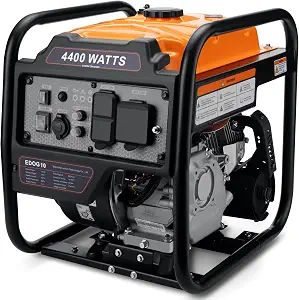
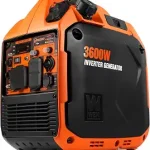
Power Equipment 4400 Watts Inverter Generator Gas Powered
Power Equipment 4400 Watts Inverter Generator Gas Powered (ASIN B0FQ5BB6SS)
Best Budget is the editorial label for the Power Equipment gasoline inverter generator, a portable fuel-powered option with 4,400 peak watts and 3,400 running watts. Those separate output figures matter when you draft a backup list: consider both the running needs of equipment and any startup demand, then check the requirements of every item you intend to connect. The stated output gives a shopper a concrete basis for that exercise, but it does not establish which combination of household devices will work. Make the list before treating a wattage figure as a fit.
The generator uses gasoline and has a 2 gallon fuel tank. That makes fuel planning part of the decision: think through how you would obtain and manage gasoline for your intended use, and review the product information for operating directions. Its listed connections are 2*120V AC ports, 1*12V DC port, and 1*RV port. Compare those exact outlet types with your equipment and any intended RV setup rather than assuming a plug will match. Black Friday shopping is a useful prompt to revisit that connection plan, but the event does not by itself indicate a special price or promotion.
The listed weight is 56 pounds, so consider placement and handling before choosing it. Think about where you would use the generator and how it would get there; the weight is a planning detail, not a guarantee about portability for an individual shopper. The noise specification is under 72 dBA from 23FT away. Keep the stated distance attached to that figure when assessing whether the information is relevant to your intended setting, and follow the product’s directions for placement and operation.
This pick is best suited to shoppers whose plan aligns with a gasoline-powered inverter format, the listed outlets, and the specified output. It is not automatically the right choice for someone seeking battery storage or a dual-fuel setup; compare those different arrangements on their own terms. During Black Friday, inspect the precise product identity and listing details, and decide whether the offer matches the unit you meant to evaluate. Best Budget is an editorial label among the products in this guide, not evidence of the lowest market price or an active deal. Its value for you depends on whether its particular output, fuel, connections, and handling fit your actual use.
Key specs
Power output
4400 peak watts and 3400 running watts
Fuel
Gasoline
Outlets
2*120V AC ports, 1*12V DC port, 1*RV port
Fuel tank
2 gallon fuel tank
Noise level
Under 72 dBA from 23FT away
Weight
56 pounds
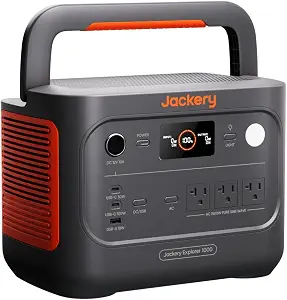
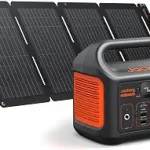
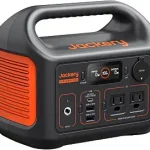
Jackery Explorer 1000 v2 Portable Power Station, 1024Wh LiFePO4 Battery
Jackery Explorer 1000 v2 Portable Power Station, 1024Wh LiFePO4 Battery (ASIN B0D7PPG25F)
Best Overall is an editorial fit for shoppers who want stored battery power in a portable format, rather than a fuel-powered generator. The Jackery Explorer 1000 v2 has 1,024Wh capacity, 1,500W AC output, and a 3,000W surge peak. Those figures give you a useful starting point for planning, but they do not determine how long a particular device will run: list the equipment you expect to connect and check its requirements against the product details. At 23.4 pounds, the unit is also a candidate for shoppers who value a battery-based option they can move between planned uses. That weight is a product fact, not a promise that every person will find it easy to carry.
Its LFP battery and 10ms UPS switchover are meaningful details for people weighing stored energy and continuity features. Consider what you actually want from a backup setup, rather than treating either specification as a guarantee for every device or situation. If you are comparing it during Black Friday, verify the exact Explorer 1000 v2 listing and included configuration before deciding. Do not assume a headline or event label tells you what is included or whether an offer is worthwhile; compare the item shown with your own needs.
Solar charging is available only with Jackery solar panels, so the charging path deserves attention before purchase. If solar charging is part of your plan, account for that stated compatibility restriction rather than assuming a panel from another maker will work. If it is not part of your plan, focus instead on how you intend to use and replenish the battery, and confirm those details on the product page. This makes the recommendation especially relevant to someone who wants an LFP battery unit and is comfortable planning around its stated solar compatibility.
The tradeoff is that a battery station is not the same choice as a gasoline or propane generator. Its listed capacity and AC output may suit a plan centered on selected devices, while a shopper preparing for a wider set of home loads should compare those requirements carefully against the stated limits. Black Friday can be a convenient moment to make that comparison, but a lower-looking headline is not a substitute for checking the precise model, capacity, and offer terms. Choose it for the stored-power format and its documented features, not because Best Overall implies a market-wide ranking or a measured superiority claim.
Key specs
Capacity
1,024Wh capacity
AC output
1,500W AC output
Surge peak
3,000W surge peak
Battery
LFP battery
Weight
23.4 pounds
UPS switchover
10ms UPS switchover
Solar charging
compatible only with Jackery solar panels for solar charging
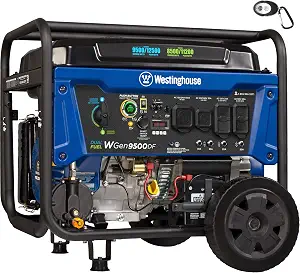
Westinghouse 12500 Watt Dual Fuel Home Backup Portable Generator, Remote Electric Start, Transfer Switch Ready, Gas and Propane Powered
Westinghouse 12500 Watt Dual Fuel Home Backup Portable Generator, Remote Electric Start, Transfer Switch Ready, Gas and Propane Powered (ASIN B07Q1DLKBG)
Best for High-Output Backup is the editorial label for the Westinghouse dual-fuel portable generator. Its stated gasoline output is 9,500 running watts and 12,500 peak watts; on propane, it is 8,500 running watts and 11,200 peak watts. The two fuel choices come with different listed output figures, so build your plan around the fuel you expect to use rather than assuming the figures are interchangeable. These specifications make it a candidate for a shopper assessing a larger backup load, but you still need to compare each device’s requirements with the generator’s documented output.
Starting options include remote start with an included key fob, electric start, and recoil start. The fuel tank volume is 6.6 gallons, and the stated runtime is up to 12 hours. Keep the runtime qualification intact: actual use depends on circumstances not specified here, so it should not be treated as a guaranteed duration for a particular load. Consider whether the fuel arrangement and starting choices make sense for your intended setup, and consult the product details for operating instructions.
The outlet panel includes two GFCI 120V 5–20R 20A standard household receptacles, one transfer-switch-ready 120V L14-30R 30A outlet, and one RV-ready 120/240V 14–50R 50A outlet. Check the exact connection needs of your equipment and intended installation before buying. Transfer-switch-ready describes the outlet listed; it is not a reason to assume a complete installation is included or that every setup is automatically suitable. If you are considering home backup, have a qualified professional advise on any installation requirements.
The engine is a heavy-duty 457cc Westinghouse 4-stroke OHV engine, with a cast iron sleeve, automatic low-oil shutdown, and digital hour meter. Those stated details can help distinguish what the listing describes, but they do not replace careful review of the manual and the maintenance requirements. Black Friday may bring this model into a shopper’s comparison set; confirm the exact model and offer configuration rather than relying on a broad event message. This recommendation is about the product’s documented high-output orientation and dual-fuel choice, not a measured comparison or claim that it will suit every home.
Remote Start with Included Key Fob, Electric and Recoil Start
Runtime
Up to 12 Hours of Run Time
Fuel tank
Tank Volume 6.6 gallons
Outlets
Two GFCI 120V 5–20R 20A Standard Household Receptacle, One Transfer Switch Ready 120V L14-30R 30A, and One RV Ready 120/240V 14–50R 50A
Engine
Heavy Duty 457cc Westinghouse 4-Stroke OHV Engine Featuring a Long-Lasting Cast Iron Sleeve with Automatic Low Oil Shutdown and Digital Hour Meter
Start with the outage you are trying to manage
Write down the devices or equipment that matter most during an interruption, then check their power requirements. Separate items you would want to run together from those you could use at different times. This turns a vague wish for backup into a practical load plan, and helps you see whether the Jackery’s 1,500W AC output, the Power Equipment unit’s 3,400 running watts, or the Westinghouse output figures merit closer consideration. Peak and running watts are distinct specifications, so do not compare them as though they describe the same thing.
Next, consider the kind of coverage you expect. Someone seeking stored power for selected devices may prefer to evaluate the battery station, while another shopper may be planning around a gasoline generator or a dual-fuel option. These are different approaches, not a simple ladder from small to best. Check the requirements and connection method for each planned load, and leave room to revise the list if the product details do not support your intended combination. During Black Friday, this groundwork helps keep a tempting offer from driving the decision before the needs are clear.
Think through how power reaches your equipment
Outlets can shape a backup plan as much as output does. The Power Equipment model lists 2*120V AC ports, 1*12V DC port, and 1*RV port. The Jackery’s supplied facts identify its AC output but do not enumerate its outlet panel here, so check the current product listing for the connections you need. Westinghouse specifies household GFCI receptacles, a transfer-switch-ready outlet, and an RV-ready outlet with their respective formats. Match each intended connection to the actual equipment and setup; do not rely on a general label such as home backup or RV-ready to answer every compatibility question.
For a home connection plan, the Westinghouse listing’s transfer-switch-ready outlet is a detail to investigate, not a substitute for installation advice. Check what your setup requires and seek qualified help where appropriate. For any generator, consider the intended placement and follow manufacturer instructions for safe operation. A product’s outlet description does not resolve placement, wiring, or installation questions. As Black Friday listings circulate, verify the exact variant and read its connection details rather than deciding from a broad category name.
Pick an energy routine you can keep up
A battery station and fuel generator ask for different kinds of planning. With the Jackery, consider how you will keep stored energy available and whether its stated solar route fits your plan. Solar charging is compatible only with Jackery solar panels, which makes the choice of charging equipment especially important if solar is central to your decision. If not, check the product details for the charging approach you intend to use rather than filling in missing information from assumptions.
The two fuel generators call for their own fuel considerations. The Power Equipment unit uses gasoline and has a 2 gallon tank; the Westinghouse operates on gasoline or propane and lists a 6.6 gallon tank. Those facts can inform what you need to plan for, but they do not establish fuel availability, storage suitability, or runtime for your specific load. Black Friday is a sensible time to compare the purchase options, while also asking whether the ongoing energy routine fits your household. Choose a format you can manage, not merely one that looks appealing in a listing.
Account for location, handling, and starting
A backup unit has to fit the place where you intend to use it and the way you expect to move or operate it. The Jackery weighs 23.4 pounds, the Power Equipment generator weighs 56 pounds, and no weight is provided here for the Westinghouse. Use those listed details as part of your planning, without assuming a weight alone determines whether moving or positioning a unit will be convenient. Consider who will handle it, where it will sit during use, and how you will follow its operating instructions.
Controls and conditions matter too. Westinghouse lists remote start with an included key fob, electric start, and recoil start. The other supplied facts do not describe their starting methods, so check the product pages if that is important to you. The Power Equipment noise figure is under 72 dBA from 23FT away; preserve that stated measurement context when considering location. Never infer that an unlisted feature is absent. On Black Friday, verify the precise configuration and read details relevant to the place and routine you have in mind.
Compare the Black Friday offer with your shortlist
Treat a Black Friday promotion as a reason to check details, not proof that a particular generator is discounted or a good match. Confirm that the listing is for the exact model you meant to compare, and review the selected configuration and offer terms. Then return to your load list, outlet needs, energy source, and placement plan. A headline can draw attention, but those practical questions determine whether the product’s documented specifications serve your intended use.
Compare like with like: the Jackery is a battery power station with stated capacity and AC output; the Power Equipment model is gasoline-powered; and the Westinghouse offers gasoline or propane with separate output specifications for each. Their formats differ, so a single headline figure cannot settle the choice. Check whether the details on the offer page match what you need, and avoid assuming an advertised event means a price reduction, included accessory, or particular seller term. A careful comparison can leave you with no purchase if none fits; that is better than letting the shopping event set your backup plan.
Make your Black Friday choice
The right power generator choice begins with the equipment you want to support and the routine you are prepared to manage. The Jackery Explorer 1000 v2 brings stated battery capacity, AC output, LFP chemistry, and a Jackery-only solar compatibility condition into consideration. The Power Equipment inverter offers gasoline operation with its listed output and outlets, while the Westinghouse provides dual-fuel output figures, multiple starting options, and a broader specified outlet panel. Each serves a different kind of comparison, and the labels in this guide are editorial choices among these products, not test results. For Black Friday, verify the exact listing and offer terms, then choose only if the documented details fit your plan.