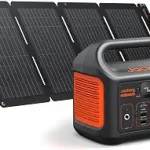
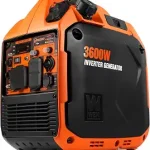
BLUETTI Elite 300 Portable Power Station (ASIN B0GT3SNGJM)
Best Power Station Buying Guide — Black Friday Deals 2026
A power station purchase starts with a practical question: which devices do you want to run, and where will you use them? The answer shapes how much stored energy, operating output, and which connections matter. This guide compares three distinct options, from the 292Wh Jackery Explorer 300 to larger-capacity models from DJI and BLUETTI. Their listed outputs and port details can help narrow the field, but they do not predict how long a particular device will run. During Black Friday, treat the offer as a prompt to inspect the exact model, configuration, and included items—not as a reason to buy a size or feature set you do not need.
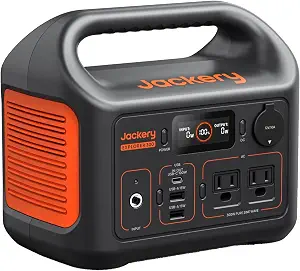
Jackery Portable Power Station Explorer 300 (ASIN B082TMBYR6)
The Jackery Portable Power Station Explorer 300 is the Best Budget choice among these featured options for shoppers whose plans call for a compact-capacity station rather than a large reserve. Its listed capacity is 292Wh, and its rated output is 300W, with a 600W peak surge. Those figures answer different questions: capacity describes stored energy, while rated output is the operating limit to compare with the equipment you intend to connect. Check the requirements for each device before deciding that this model fits; a peak surge figure should not be treated as its continuous rated output. This distinction is especially useful while browsing Black Friday listings, when a headline number may catch your eye before the detailed specifications do.
The port mix includes two AC outlets, a 100W USB-C PD port, two USB-A ports, and a 120W car port. That gives you several connection types to compare against a planned combination of devices, whether you are arranging charging for personal electronics or considering an AC-powered item. It does not establish that every device is compatible, so check its connector and power requirements individually. The included items are an AC adapter, a car charger cable, and a user guide. If those are relevant to your plan, confirm that the Black Friday offer shows the same model and included components before checkout.
This label is a useful starting point for shoppers prioritizing the listed 292Wh capacity and 300W rated output over the larger figures in this guide. It is not a claim that the Explorer 300 is the right fit for every budget or situation. Make a short list of what you expect to connect at once, note which devices use AC or USB connections, and compare their requirements with the station’s specifications. If the list pushes beyond the rated output, look elsewhere rather than relying on the peak surge figure as a workaround. Conversely, if your intended use is modest, a larger-capacity station may add features or capacity you have not identified as necessary.
For a Black Friday decision, inspect the exact product name and listed accessories instead of assuming that a similar-looking listing has identical contents. Verify the displayed capacity, rated output, peak surge, and port details together. The Explorer 300’s facts make it straightforward to assess those decision points, but they do not establish runtime for your equipment. Actual use depends on the devices and how you use them, so avoid treating capacity alone as a promise of a particular number of hours. Keep the user guide as part of the included-items check, and decide in advance whether the car charger cable matters to your intended setup.
Key specs
Capacity
292Wh capacity
Rated output
300W rated output (600W peak surge)
Ports
2 AC outlets, a 100W USB-C PD port, 2 USB-A ports, and a 120W car port.
Included accessories
1*AC adapter, 1* car charger cable, 1* user guide
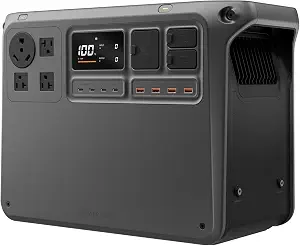
DJI Power 2000 Portable Power Station, 2048Wh LFP Battery
DJI Power 2000 Portable Power Station, 2048Wh LFP Battery (ASIN B0FBRD1B8C)
The DJI Power 2000 is the Best Overall choice in this guide for shoppers seeking a large listed capacity alongside a substantial stated output. It has a 2048Wh LFP battery and a 3000-watt output. Those specifications give you useful points for comparing a planned load, but they should not be collapsed into one measure: capacity is stored energy, whereas output relates to the power the station can supply. Write down which devices you want to run and check their requirements against the station’s output. Capacity alone cannot tell you how long those devices will run. During Black Friday, the combination of large headline figures can make a listing look like an easy decision; use the full specifications to determine whether they match your actual plan.
The listing describes 15 ports, including dual full SDC ports. If your setup depends on a particular connection, verify that the named port is the one your equipment calls for rather than assuming that a broad port count guarantees compatibility. The station is listed as running as low as 30 dB, and its UPS switch time is 10 ms. These may be relevant details to weigh if operating noise or switching behavior is part of your planning, but they do not replace checking the needs of your devices and location. Included components are the DJI Power 2000 and a DJI Power AC Power Cable.
Expansion is another consideration, not an automatic part of the base configuration. The product supports expansion up to 22.5kWh, with expansion batteries sold separately. The listing describes that expanded capacity as enough to power essential home devices for 4–6 days during blackouts, storms, or off-grid living; that statement applies to the expanded setup as described, not a guarantee for every household or load. If you are considering expansion, account for the separately sold batteries when comparing the exact Black Friday offer. Confirm whether the offer is for the station alone or a configuration that explicitly includes additional components.
The Best Overall label reflects a role in this three-product comparison, not a tested ranking or a claim of universal superiority. The DJI may suit someone who has identified both a sizable energy reserve and a 3000-watt output as priorities, while someone with a smaller device list might prefer to avoid choosing on headline capacity alone. For Black Friday, check the exact model, the port description, and whether expansion batteries are included or sold separately. Keep the UPS switch-time detail in context: it is a stated specification, not a promise that every connected device will behave as desired during a power interruption.
Key specs
Battery capacity
2048Wh LFP battery
Output wattage
3000 watts
Noise level
runs as low as 30 dB
UPS switch time
10 ms [11] switch time
Ports
15 ports including dual full SDC ports
Expandable capacity
supports expansion up to 22.5kWh*—enough to power essential home devices for 4–6 days during blackouts, storms, or off-grid living. * Requires expansion batteries, which are sold separately.
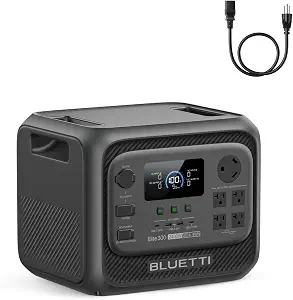
BLUETTI Elite 300 Portable Power Station (ASIN B0GT3SNGJM)
The BLUETTI Elite 300 is the Best for RV-Focused Setups label in this guide because its listed connections include a TT-30 RV port and 12V/30A DC output. Those details give RV shoppers specific items to check against their intended setup; they do not, on their own, establish compatibility with every RV or appliance. Confirm the connection and requirements for the equipment you plan to use. The station lists 3014.4Wh capacity and a 2400W AC output, with 4800W surge power. Keep the capacity, AC output, and surge figure separate as you compare a load: each answers a different question, and the surge value is not the stated AC operating output.
Its battery is listed as a 3014Wh LiFePO4 battery with 6000+ cycles. The product also lists a 10ms UPS switch. Treat both as specification details to consider alongside your intended use, not as a substitute for checking your equipment’s requirements. If the UPS detail matters to your planning, determine whether the switch time and your devices’ behavior fit the use you have in mind. The available facts do not establish runtime for a particular collection of devices, so use their requirements and your expected use to guide the decision rather than translating capacity directly into hours.
The listed dimensions are 14.4″L x 12″W x 11.7″H, and the weight is 58 pounds. These particulars make placement and handling worth considering before you choose it. Think about where the station would sit, whether that location can accommodate the stated dimensions, and how you would move it when needed. The figures are product details, not a promise that it will suit every storage space or travel routine. For a Black Friday purchase, compare these details with the exact listing and your available space before focusing on the larger capacity number.
The RV-Focused Setups label is an editorial cue based on the listed TT-30 RV port and 12V/30A DC output; it does not mean the station is automatically the best choice for every recreational vehicle. The BLUETTI’s stated capacity and output may also interest shoppers with other plans, but weigh them against its dimensions, 58-pound weight, and your actual connection needs. During Black Friday, check that the exact Elite 300 model appears in the offer and that the listing presents the port details you need. Use the label to identify a relevant starting point, then make the final choice from your own equipment and placement requirements.
Key specs
Capacity
3014.4Wh
Battery
3014Wh LiFePO4 Battery with 6000+ Cycles
Output
2400W AC and 4800W Surge Power
RV outputs
TT-30 RV port & 12V/30A DC
UPS
10ms UPS switch
Dimensions
14.4″L x 12″W x 11.7″H
Weight
58 pounds
Turn the device list into a realistic load plan
Before browsing Black Friday offers, write down the devices you expect to use and note their stated power requirements. Separate items you might run at the same time from those you would use one after another. That simple distinction can help you assess the station’s operating output without assuming that all of your equipment will be connected simultaneously. Compare the combined demands of a planned simultaneous load with the product’s rated or stated output, and pay attention to whether a figure is specifically a surge value. A surge figure should not replace the listed operating output in your comparison.
Capacity is a separate part of the plan. The Jackery lists 292Wh, the DJI lists a 2048Wh LFP battery, and the BLUETTI lists 3014.4Wh. These numbers help distinguish the listed energy capacities, but they cannot predict a fixed runtime for your devices. Usage patterns and the equipment itself matter. Avoid translating a capacity figure directly into hours unless you have reliable information about the particular load and setup. For an emergency plan, identify which devices are essential and which are optional; that makes it easier to decide what the station must support rather than shopping from the biggest number down.
A Black Friday listing should be evaluated against this plan, not the other way around. If an offer emphasizes a capacity or output figure you did not need, pause and check whether it changes your intended use. If your device list calls for connections or output not shown in the product facts, verify the exact listing and equipment requirements before buying. Keeping your requirements in view reduces the chance of mistaking a prominent specification for a complete answer.
Use the connectors as a compatibility checklist
Port counts are useful only when the connections match your equipment. The Explorer 300 lists two AC outlets, a 100W USB-C PD port, two USB-A ports, and a 120W car port. The DJI lists 15 ports, including dual full SDC ports. The Elite 300 specifically lists a TT-30 RV port and 12V/30A DC output. These descriptions offer different kinds of information: some identify connection types or output details, while a general port count does not tell you whether a particular device can connect.
For each item on your load list, record how it connects and what its power requirements are. Check whether you need an AC outlet, a particular USB connection, a car connection, or an RV-oriented port. Do not assume that an adapter, cable, or connection is included unless the listing says so. The Explorer 300’s listed included items are an AC adapter, car charger cable, and user guide. The DJI’s included components are the Power 2000 and a DJI Power AC Power Cable. The provided facts for the Elite 300 identify its RV outputs but do not specify included accessories, so inspect the exact offer for any bundle details relevant to your setup.
This connection-by-connection approach is especially helpful during Black Friday, when a bundle or variant can differ from the model you initially researched. Check the product name, port description, and included items shown for the actual offer. If you cannot confirm a required connection, do not treat a large capacity or port count as a substitute for that missing confirmation.
Black Friday: read the offer as a configuration, not a headline
An offer is only useful to your comparison when you know what configuration it covers. Check the exact product name and model, then compare the listed specifications with the version you intended to consider. Do not assume that a similar product name means the same capacity, output, ports, or included components. This is particularly important when the purchase decision depends on a specific port, a cable, or an expansion option.
For the DJI Power 2000, distinguish the station and its included AC power cable from expansion batteries. The product can support expansion up to 22.5kWh, but expansion batteries are sold separately. A Black Friday offer should not be read as including those batteries unless the displayed configuration explicitly says so. For the Explorer 300, check the listed AC adapter, car charger cable, and user guide if those items matter to your plan. For the Elite 300, verify the exact station and the port details relevant to your setup.
Compare the complete offer against your notes, including whether the displayed configuration supplies the features and components you intend to use. This is a verification step, not a reason to assume a promotion is active or that an advertised deal is necessarily better for your needs. If important details are unclear, wait to resolve them rather than filling gaps with assumptions. A clear match between your planned use and the displayed configuration is more useful than a headline that focuses on only one specification.
Account for placement, movement, and operating context
A station’s physical details can affect whether it fits your routine. The Elite 300 lists dimensions of 14.4″L x 12″W x 11.7″H and a weight of 58 pounds. Use those exact figures to think through storage space, placement, and how you would handle it. Do not assume that a particular shelf, vehicle space, or travel arrangement will work without checking the available room and your own handling needs. The provided facts do not give dimensions or weight for the other two models, so compare those details directly on the exact listing if they are important to your decision.
Location also affects which other specifications matter to you. The DJI is listed as running as low as 30 dB, a detail to consider if noise is part of your placement decision. Its listing also gives a 10 ms UPS switch time. The Elite 300 lists a 10ms UPS switch. These are product specifications, but they do not establish how every connected device will behave or whether a particular room or setup is suitable. Think about your intended location and equipment, then use the relevant facts as checks rather than guarantees.
Black Friday can make it tempting to settle placement questions after choosing a model. Reverse that order: decide where the station would live, what would connect to it, and how you would handle it, then assess the offer. If physical details are not provided in the facts here, verify them on the exact product listing rather than guessing. A configuration that fits the use and the available space is a more grounded choice than one selected on a single appealing specification.
Decide whether continuity or future expansion is relevant
Backup planning can mean different things. One shopper may want to keep a small set of devices available; another may be considering essential home devices during an outage. Identify what you want to support and how important continuity is to that plan. The DJI and BLUETTI both list UPS switching details: 10 ms for the DJI and 10ms for the Elite 300. Those figures can inform your comparison, but they are not a blanket assurance that every device will remain unaffected. If uninterrupted operation matters, check how your particular equipment responds and whether the listed specification fits its requirements.
Expansion is a separate decision. The DJI Power 2000 supports expansion up to 22.5kWh, and its expansion batteries are sold separately. The product listing describes the expanded capacity as enough to power essential home devices for 4–6 days during blackouts, storms, or off-grid living. Treat that description as applying to the expanded setup as presented, not as a universal runtime promise. Consider whether you have a reason to expand, whether the separately sold batteries belong in your plan, and whether the offer clearly identifies what is included.
These features may not be priorities for someone seeking a simpler station for a defined, smaller device list. Conversely, they may matter to a shopper mapping out backup continuity or a later expansion path. During Black Friday, compare the base configuration and any separately sold components carefully. Decide first what kind of backup plan you are building; then check whether UPS details or expansion support meaningfully address it.
Make your Black Friday choice
A good power station shortlist comes from matching the device list, connections, output needs, and placement plan to the product facts. The Explorer 300 offers a 292Wh capacity and a 300W rated output; the DJI Power 2000 pairs a 2048Wh LFP battery with a 3000-watt output and optional expansion; the Elite 300 lists RV-oriented outputs alongside its capacity, output, and physical details. These are different starting points, not interchangeable promises of runtime or suitability. For Black Friday, verify the exact model and configuration, including any components sold separately. Choose the station whose documented details answer your real requirements, and leave uncertain specifications unresolved until you can confirm them.